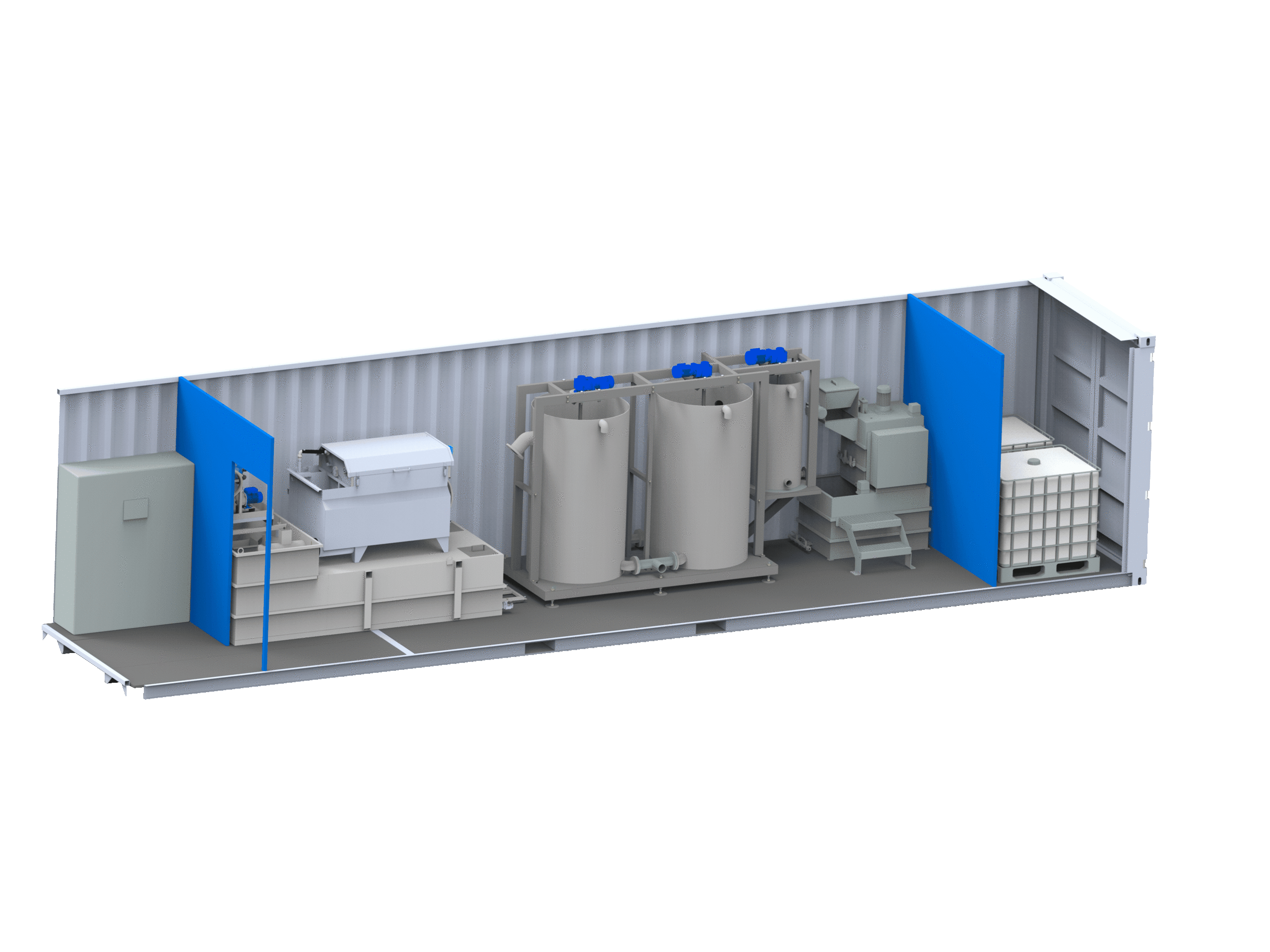
Try, for example, Pre-cleaning or Pile Cloth Filter.
Phosphorus removal and quaternary treatment
Phosphorus is a key factor in the eutrophication of waterways and reservoirs. Excessive concentrations of phosphorus lead to cyanobacterial blooms, deteriorating water quality, and restrictions on the water’s further use. Furthermore, legislative requirements for its removal have been tightening over the long term. Effective phosphorus removal is therefore an essential component of modern wastewater treatment.